


Charles Bonas, Founder of Bonas MacFarlane Education, reflects on what really matters in a modern school and why meaningful educational experiences are rarely found in the buildings themselves.
There is much to commend about the great softening of boarding schools. Yet, despite the comforts and facilities that would have been unthinkable a generation ago, I sometimes find myself feeling rather nostalgic for the more Spartan school environments of the past.
When I was at Harrow in the 1980s, housemasters’ budgets were predictably tight. Boys were expected to furnish their own rooms, bringing in rugs, side tables and posters for the otherwise unpainted walls.
There was a thriving trade in what we called ‘house sales’, where pupils bought and sold furniture and possessions between themselves. We were, in effect, a generation of mini junk-furniture dealers and we loved it. I even made an unsuccessful attempt to corner the market in desks.
There were other rituals, too. I remember trips to the library to select relatively old books to burn in the grate in my room. And one January, I returned to find a rather Doctor Zhivago-esque scene after a window had broken.
The same house has since been renovated to something approaching the standard of a Swiss two-star hotel, a reflection of just how much boarding schools have changed.
When facilities become the focus
Recently, I visited one school that had just completed a dedicated gym for basketball, and another with a multi-million-pound debating chamber.
There is nothing wrong with excellent facilities. The right environment can undoubtedly enhance school life and provide opportunities that students might not otherwise have.
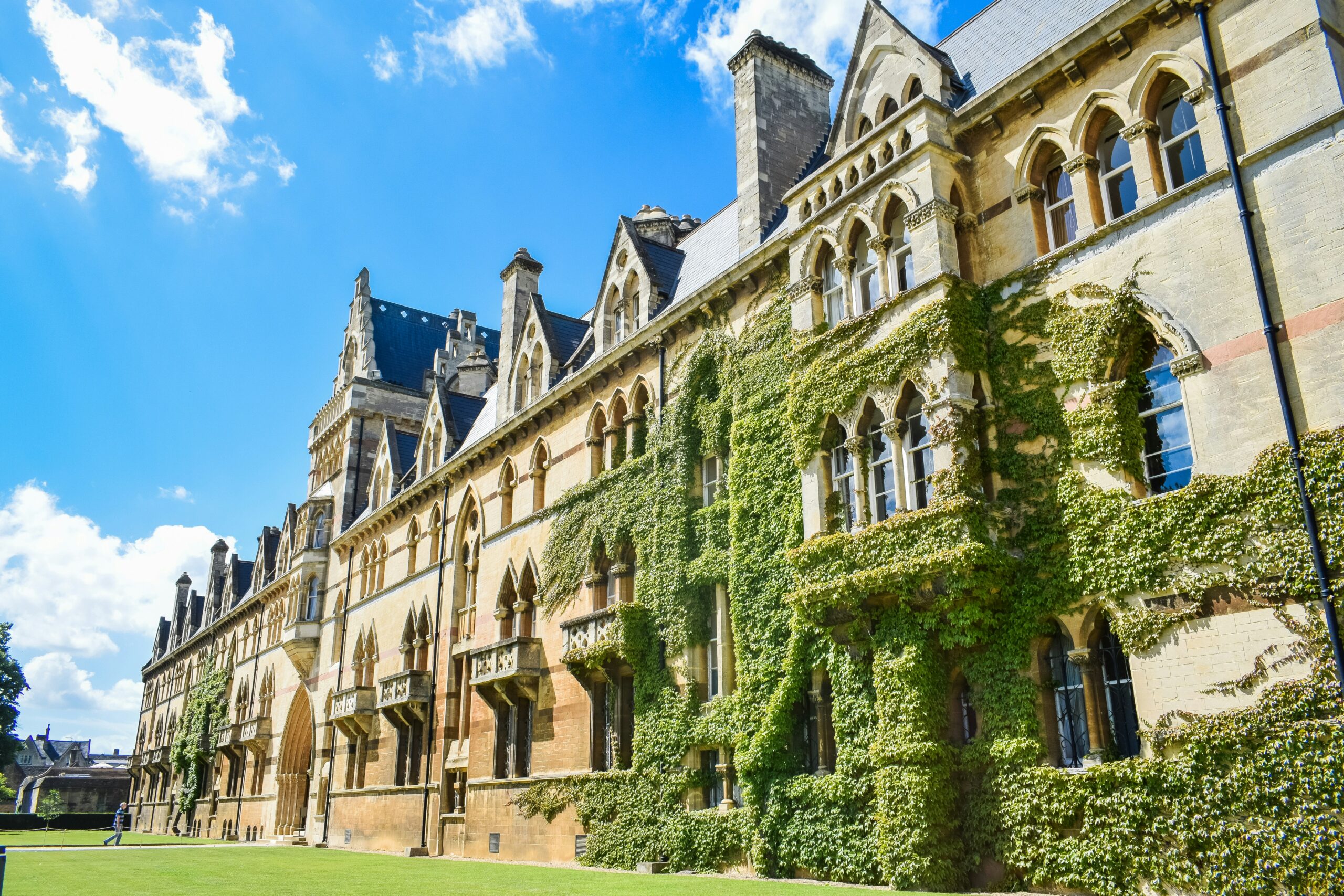
But I am increasingly sceptical about the emphasis placed on impressive buildings and expensive facilities as indicators of educational quality.
School is all about communication and buildings are not great conversationalists.
The Romans were here for nearly 400 years, and we know they took education seriously. Yet I have not seen a single artefact or building from their education system.
That is because you don’t need it.
The fundamental ingredients of education are remarkably enduring: an inspiring teacher, an engaged pupil, curiosity, discussion, challenge and the time and space to think.
A building can facilitate those things. It cannot replace them.
The value of one-to-one teaching
This becomes particularly important in the sixth form.
At this stage, students are becoming increasingly independent thinkers. They need opportunities to articulate their ideas, challenge assumptions, ask difficult questions and receive meaningful, individual feedback.
For me, that makes one-to-one teaching and small-group learning particularly valuable.
But these forms of teaching require something that is increasingly scarce in schools: teachers’ time.
Teachers today can spend enormous amounts of their working day responding to emails, attending meetings and managing administration. These tasks may be necessary, but every hour spent on them is an hour that could otherwise be spent with pupils.
If we are serious about improving sixth-form education, perhaps one of the most important questions we should be asking is:
How can we give teachers more time to teach?
Not necessarily more buildings. Not necessarily bigger facilities.
More time with students.
Education happens in conversation
The most important moments in education are often the least tangible.
A teacher noticing that a student has misunderstood something. A tutor asking a question that completely changes a pupil’s perspective. A small-group discussion that takes an idea further than anyone expected. A conversation that gives a young person the confidence to express an opinion for the first time.
These moments rarely make it into a school prospectus photograph.
They don’t require a multi-million-pound building.
But they can be transformative.
At Bonas MacFarlane, our work is fundamentally centred on the individual child: understanding their strengths, interests, ambitions and personality and identifying the educational environments in which they are most likely to thrive.
That is why, when considering a school, it is worth looking beyond the impressive facilities and asking some rather more fundamental questions.
Who will teach my child?
Who will know them?
Who will challenge them?
Who will listen to them?
Ultimately, the quality of a school is not measured by the sophistication of its buildings.
It is measured by the quality of its conversations.
This article is adapted from an interview with Charles Bonas published in The Spectator’s Schools Supplement, September 2026.